
Ambulatory (portable) ECG monitor
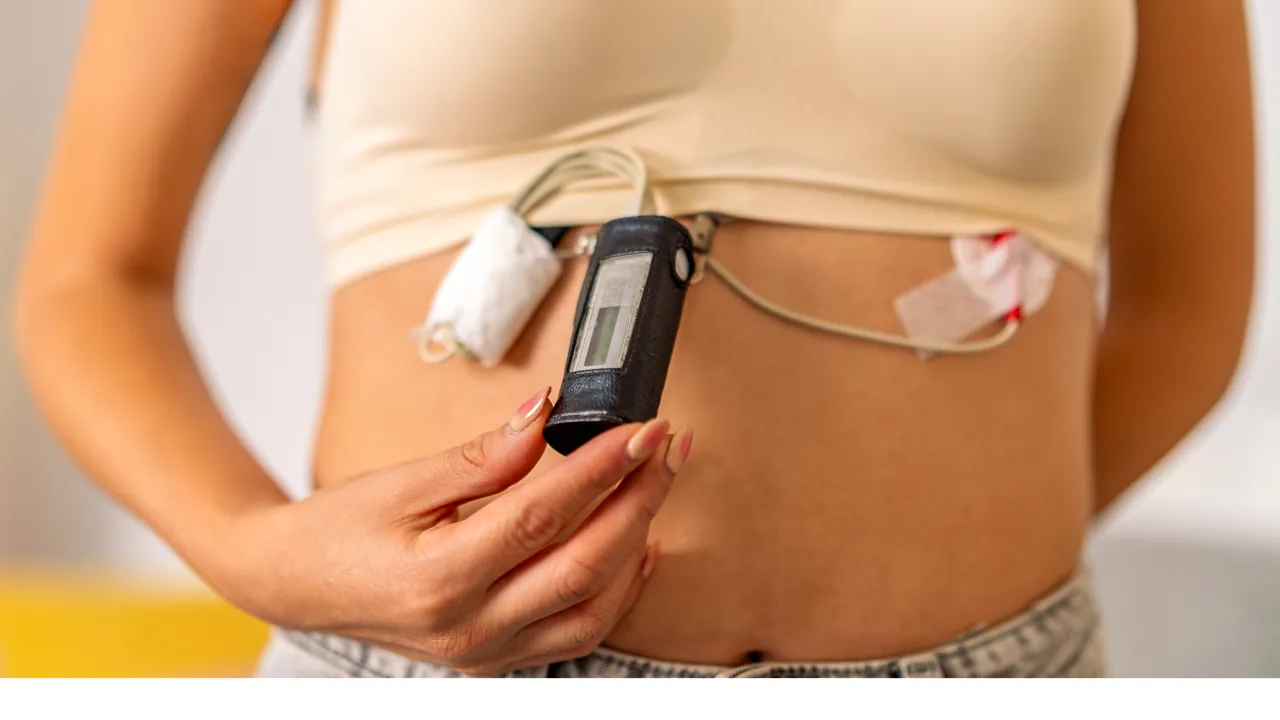
A portable ECG you wear for up to 7 days.
At a glance
- How long
- Usually 24 to 48 hours, sometimes up to 7 days
- Does it hurt?
- No, it is safe and painless
- Washing
- No bath or shower while you wear it
- Your part
- Carry on as normal and note when symptoms happen
What the test involves
This is a portable ECG that a patient can wear for up to 7 days and allows continuous monitoring of the patient's ECG. By keeping a diary the patient's symptoms can be related to any changes in heart rhythm.
Tests are charged by the hospital that carries them out.
Why you might need an ambulatory ECG
Many heart rhythm problems come and go, and they rarely happen during the few minutes of an ECG in clinic. An ambulatory ECG, also called a Holter monitor, records your heart continuously while you go about your normal life, so that any symptom you feel can be matched against your heart rhythm at that moment. It is used for:
- palpitations, a fluttering, pounding or racing heartbeat
- dizziness or blackouts
- suspected atrial fibrillation that comes and goes
Wearing the monitor
Sticky pads are placed on your chest, and the wires from them are taped down and lead to a small recorder worn on a belt around your waist. You then go home and carry on with your usual routine, including the activities that normally bring on your symptoms, because that is what the recording needs to capture.
Keep a diary of any symptoms: the time, what you were doing and what you felt. You cannot have a bath or shower while wearing the recorder. Some pads are very sticky, so mention it if you have sensitive skin.
Returning the monitor
When the recording is finished, the recorder is returned so that the recording can be analysed and compared with your diary. Dr Vasudeva then goes through what it showed.
If your symptoms are less frequent
If your symptoms happen only every week or two, a few days of recording may miss them. A ZIO patch records for up to 14 days and is water resistant, so you can shower while wearing it. For symptoms that are rarer still, a small implantable loop recorder placed under the skin can monitor the heartbeat for up to three years.
The hospital that carries out your test will send you its own instructions. If they differ from this page, follow theirs, and ask if anything is unclear.
Where this information comes from
- British Heart Foundation: ECG
- NHS: Electrocardiogram (ECG)
- NICE: Zio XT for detecting cardiac arrhythmias (HTG562)
Sources checked 14 October 2026.
Symptoms this test can help investigate
- PalpitationsPalpitations that feel like fluttering or pounding, and which occur at rest or with activity, are linked to common triggers but could sometimes indicate rhythm problems within the heart's electrical system.Read about palpitations
- Dizziness or blackoutsDizziness that comes on suddenly, and which may be linked to brief drops in blood pressure or vaso vagal episodes, can also sometimes signal underlying rhythm problems that need assessment to ensure a pacemaker is not required.Read about dizziness or blackouts