Call us on 020 8977 4826 (8am to 4pm)

Heart tests

The tests Dr Vasudeva uses to investigate heart symptoms. Tests are charged by the hospital that carries them out.

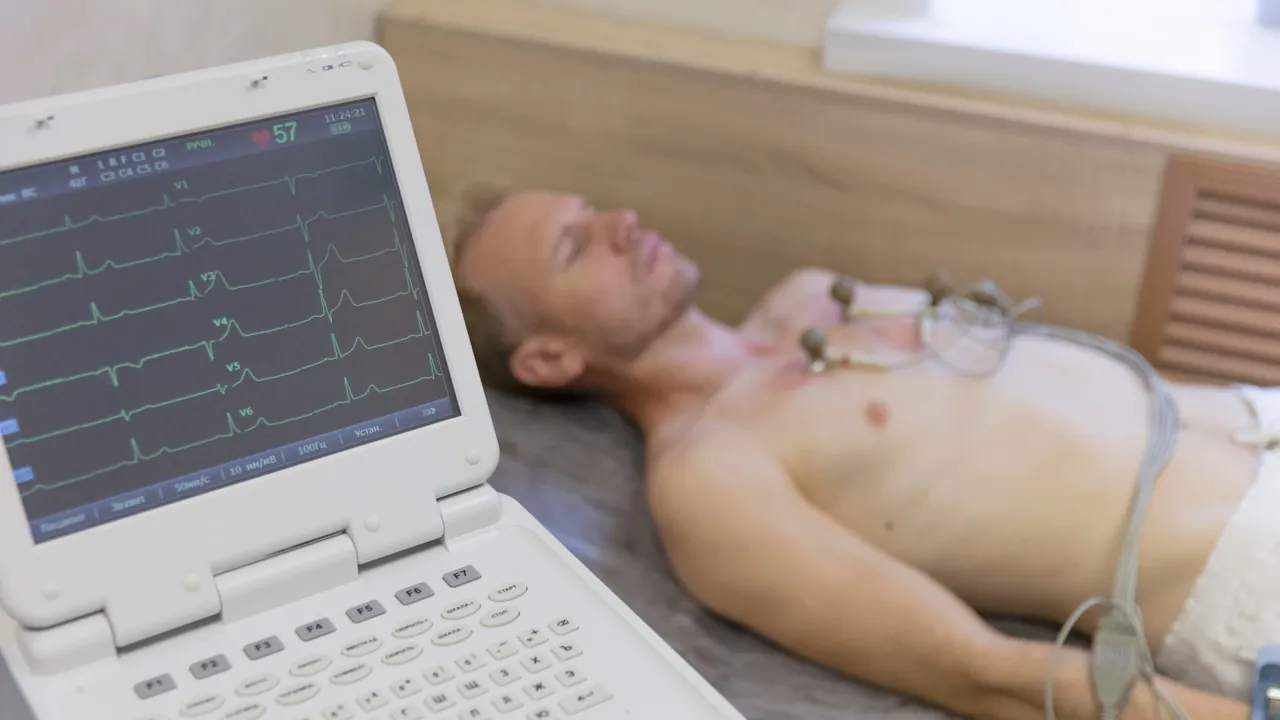
A patient lying down with ECG leads attached while the tracing shows on a monitor

ECG

A 12 lead ECG is a heart tracing that can be undertaken during the consultation. It can provide an indication of an underlying heart rhythm problem or evidence of previous heart damage but a normal ECG does not preclude a cardiac problem.

More about the ECG
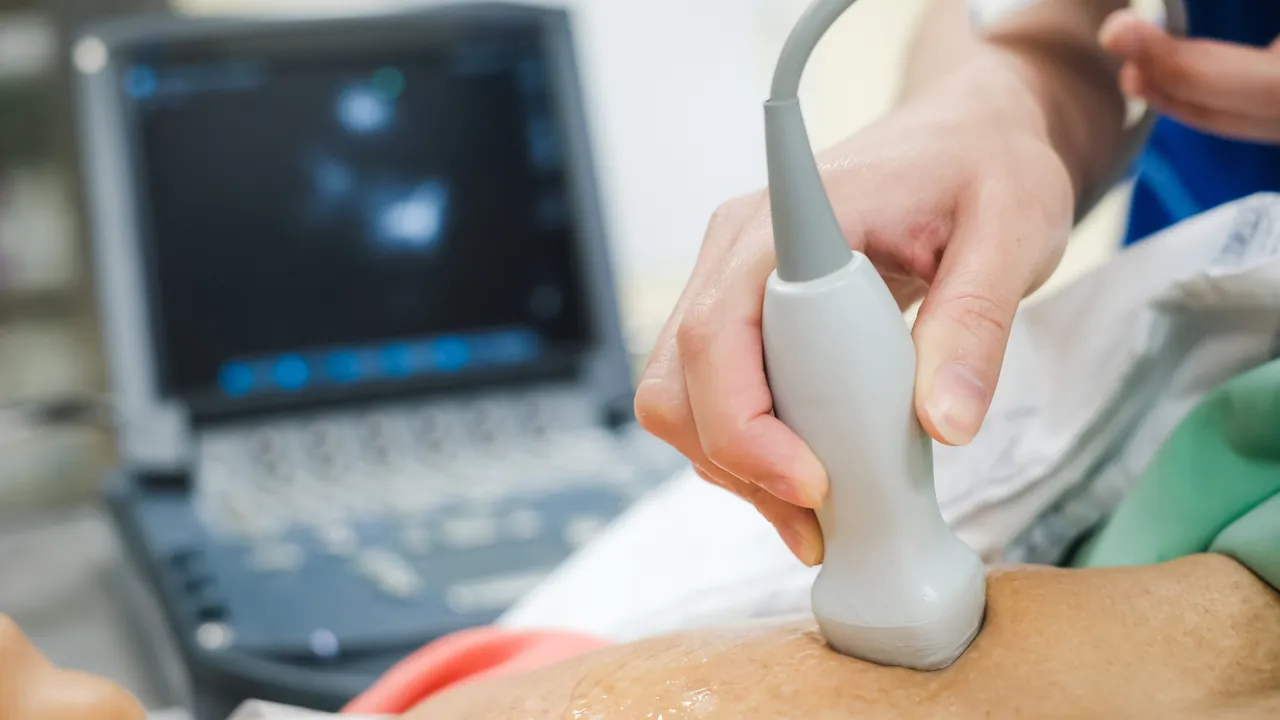
An ultrasound probe held against a patient's chest during an echocardiogram

Echocardiogram

An echocardiogram (or cardiac ultrasound test) is a way of directly imaging the heart muscle and heart valves. It is similar to other ultrasound tests and is completely painless. It can assess how efficiently the heart is working. It can also provide information on the heart valves as well as the sac surrounding the heart (the pericardium). This test is useful in virtually every type of cardiac symptom.

More about the Echocardiogram
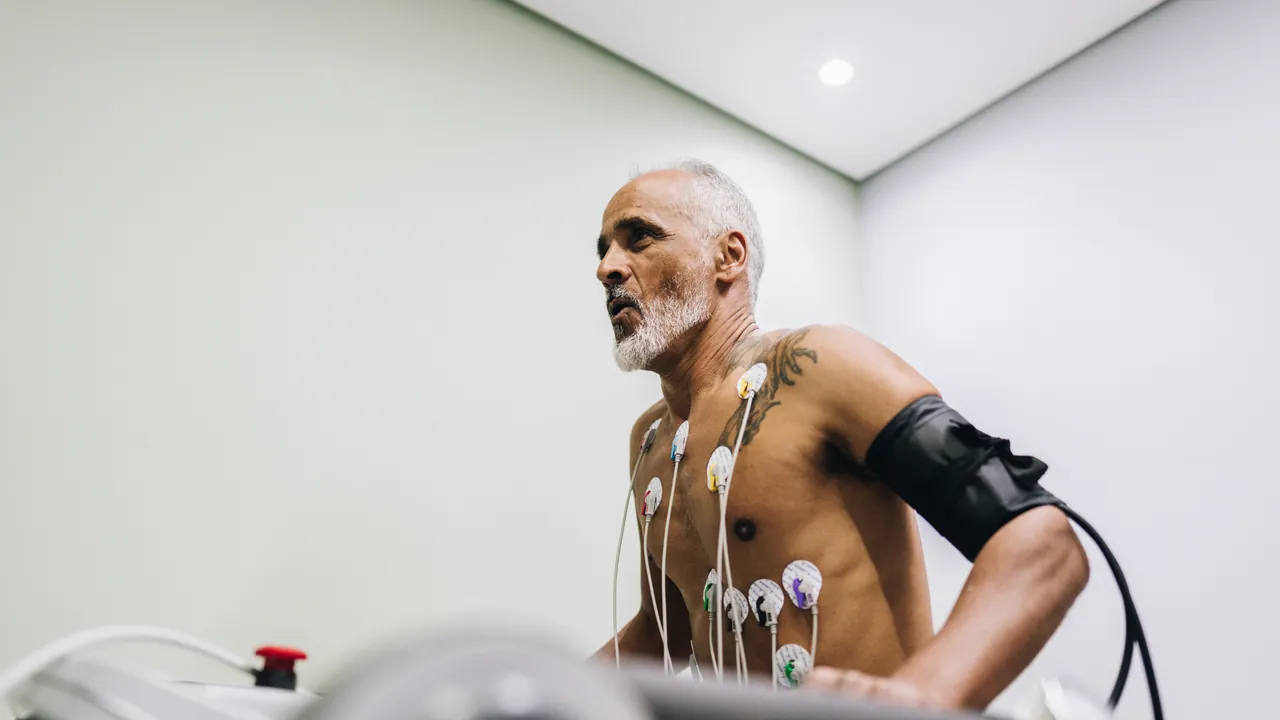
A man exercising with ECG leads and a blood pressure cuff attached

Exercise (or stress) ECG

This is a common test that involves walking on a treadmill whilst attached to an ECG to monitor the patient's heart. As the treadmill gets progressively steeper and faster one can determine if there is any strain on the heart due to narrowing of the heart arteries, or any change in the heart's rhythm.

More about the Exercise ECG
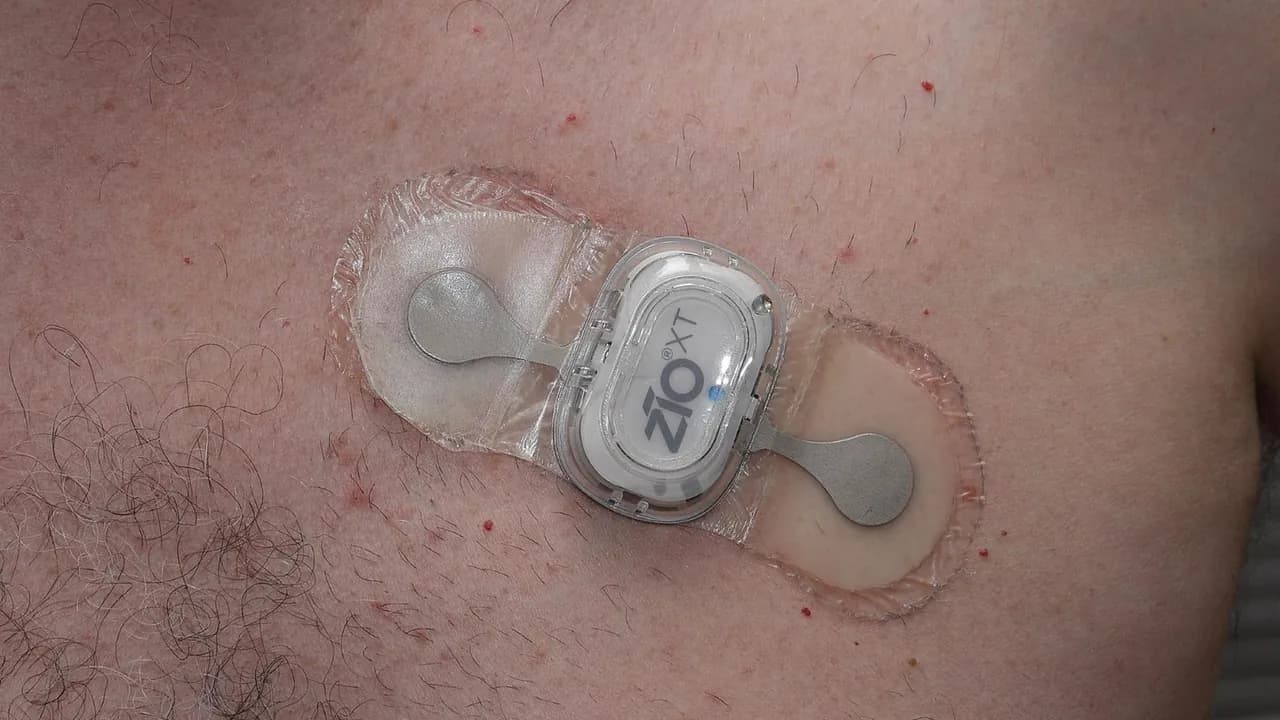
A ZIO ECG patch stuck to the skin of a patient's chest

ZIO ECG patch

This is a new device that allows monitoring of the heart rhythm for up to 14 days. As it is waterproof it can record even during exercise and does not limit the patient's activities during the recording. It is proving very useful in detecting intermittent changes in heart rhythm.

More about the ZIO ECG patch
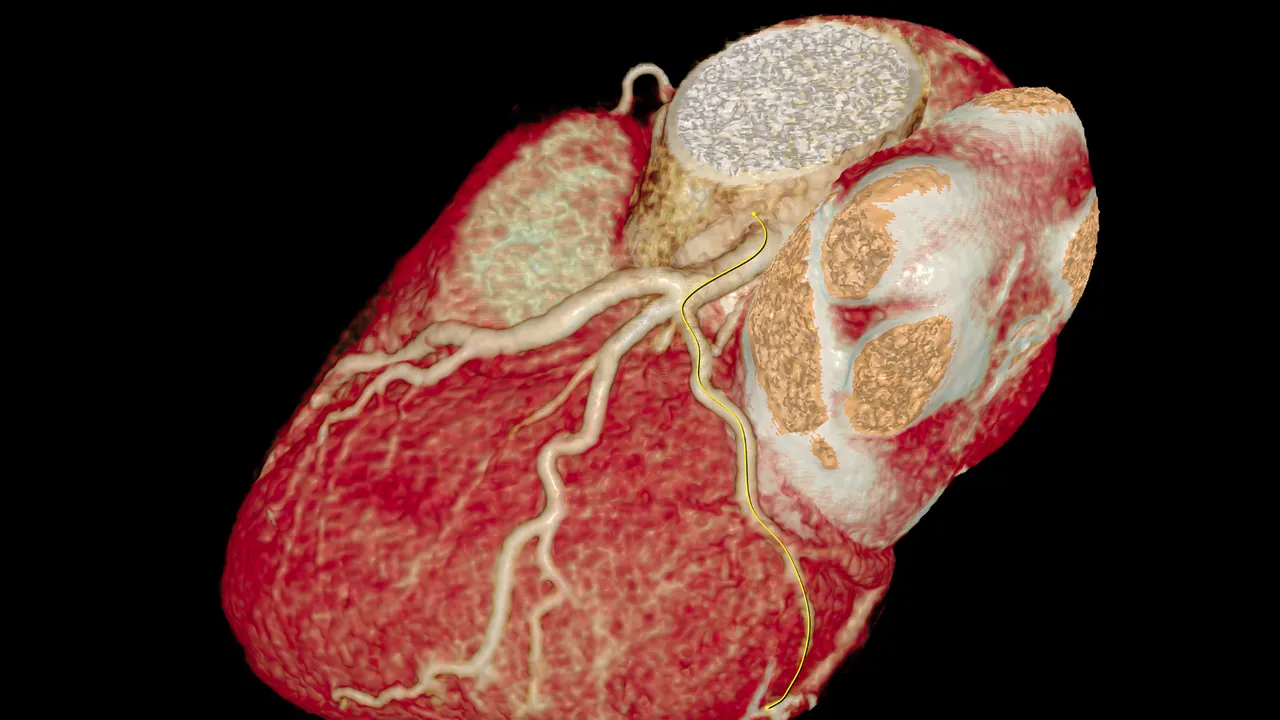
A 3D CT image of the heart showing the coronary arteries

CT coronary angiogram

This test is a non-invasive way to assess heart arteries. The test has two parts. Firstly the test will provide a calcium score, a measure of the amount of calcium in the heart arteries, and will provide an indication of the severity of any disease of the heart arteries. Secondly some dye will be injected to assess any narrowing further.

The images are very helpful in deciding if chest pain is caused by narrowing of the heart arteries. It also helps determine if risk factors (such as high cholesterol) are causing early changes, and helps decide if we need to be more aggressive in treating these risk factors.

More about the CT coronary angiogram
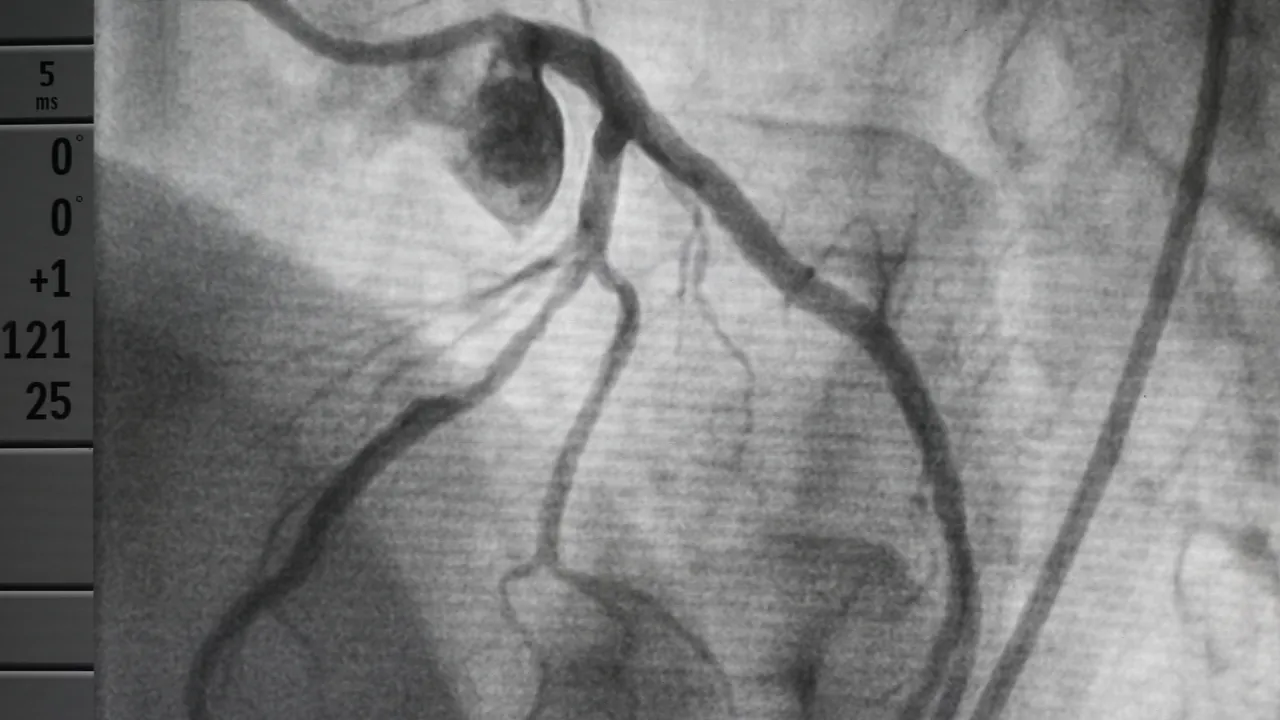
An X-ray image of the coronary arteries taken during an angiogram

Coronary angiogram

This is a test where the heart arteries can be directly visualised by an X-ray. Under local anaesthetic a tube is passed via the artery in the wrist or leg into the heart, and dye injected into the heart arteries. This is still the best way of establishing whether there is any narrowing of the heart arteries.

More about the Coronary angiogram
A blood pressure cuff being fitted around a patient's upper arm

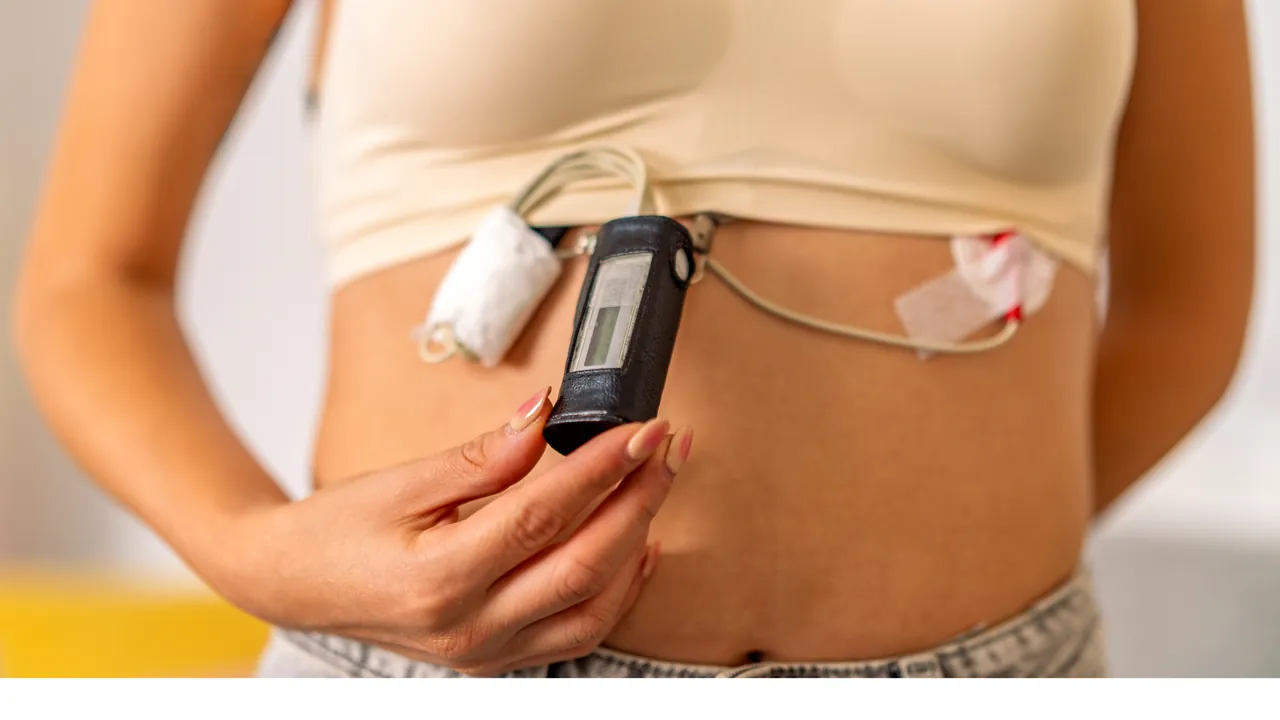
24 hour blood pressure monitor

This is a portable blood pressure monitor that the patient wears for 24 hours. The blood pressure cuff that is around the arm inflates every 30 minutes while the patient goes about his/her day-to-day activities. This provides a more accurate measure of the patient's blood pressure compared to a one-off recording measured at the GP's surgery.

This is particularly useful if there is any doubt about the patient's blood pressure readings (the 'white coat syndrome') or sometimes to assess the response to treatment. However patients are strongly encouraged to buy their own blood pressure machine and to take regular recordings at home.

More about the 24 hour blood pressure monitor

Book an appointment

Private appointments in Wimbledon, Kingston and central London. A new patient consultation is £270 if you are paying yourself, and all major insurers are recognised.

Call usWhatsAppBook